This website uses cookies so that we can provide you with the best user experience possible. Cookie information is stored in your browser and performs functions such as recognising you when you return to our website and helping our team to understand which sections of the website you find most interesting and useful.
Sources of Information on Lime
The Building Limes Forum was set up to support the lime revival, encouraging good practice when using lime in repairing old buildings and in new construction. The membership is open and includes tradespeople, suppliers, professionals and enthusiasts. It is not an accrediting body nor a trades organisation and there are no qualifications for membership. This means we cannot guarantee or recommend any members as practitioners, professionals or craftsmen, nor can the Forum give case-specific advice to non-members. The following links, however, should help you find information about lime. Inclusion of a link does not imply endorsement.
The Building Limes Forum does not accept any responsibility for the content for any linked websites, which do not necessarily represent its views. Please let us know of any broken links to any linked websites..
Advice
For advice on conservation or restoration work, try the contacts listed on the Historic England website, the conservation advice pages of the Historic Environment Scotlandwebsite, Cadw in Wales or the Northern Ireland Historic Environment Division. You could also contact your local Conservation Officer: try the Planning and Development Department of your local authority.
The Scottish Lime Centre Trust provides free, general telephone and email advice on the use of lime and related building conservation issues. Or speak to the Technical Officer of the Society for the Protection of Ancient Buildings (020 7456 0916).
Historic England publishes an extensive range of expert advice and guidance. Historic Environment Scotland produces a series of free-to-download technical publicationsincluding INFORM leaflets with guides to Lime & Cement, Hot-Mix Lime Mortars, Restoration Mortars for Masonry Repairs, Repairing Brick, Damp, Repointing Rubble, Repointing Ashlar and many other titles covering building materials and structural issues. Cadw has leaflets on Lime, Limewash, Lime Mortar, Lime Render and Historic Masonry.
Professionals
The Institute of Historic Building Conservation is the principal professional body for building conservation practitioners and historic environment specialists working in England, Northern Ireland, Scotland and Wales, with connections to the Republic of Ireland. The IHBC also has a list of businesses that work in conservation.
Conservation accredited architects are listed on the Register of Architects Accredited in Building Conservation. A list of conservation accredited architects can be downloaded from the website of the Royal Incorporation of Architects in Scotland.
The Conservation Accreditation Register for Engineers (CARE) identifies civil and structural engineers skilled in the conservation of historic structures and sites.
The RICS Building Conservation Accreditation Scheme has a register of individuals with experience and knowledge in the field of conservation of historic buildings or sites.
The Institute of Conservation (ICON) manages a Conservation Register which lists professionally qualified conservators and restorers in the United Kingdom and Ireland.
Try also the categories for (self-selected) architects, engineers, surveyors, heritage consultants and providers of analysis and other services at www.buildingconservation.com
Practitioners
The National Heritage Training Group website lists on-line registers of craftsmen and conservators. The www.buildingconservation.com website lists (self-selected) suppliers and craftsmen.
Members of the Building Limes Forum have access to its membership list of over 400 lime enthusiasts and practitioners, many of whom are builders, masons, plasterers, etc. Note, however, that membership does not imply accreditation.
Do-It-Yourself
If you want to do-it-yourself, look at the list of providers of courses on this website offering training, both basic and advanced, in the use of lime in building. This website also has a list of suppliers of lime products.
The National Heritage Training Group website has an on-line searchable list of courses and training providers. Course providers (self-selected) are also listed on www.buildingconservation.com.
Written Sources
For written information about lime, look at the list of publications about lime on this site which can be ordered on-line, many of which are not expensive, non-technical and may be of interest. Look also at Further Reading on this website.
Networking
Conferences and similar events provide opportunities to meet like-minded people. Try the listing at www.buildingconservation.com.
Finally, you could join the Building Limes Forum and have access to its membership list of over 350 lime enthusiasts and practitioners, most of whom are producers, suppliers, specifiers or users of lime.
In this section

2024 Conference and Gathering
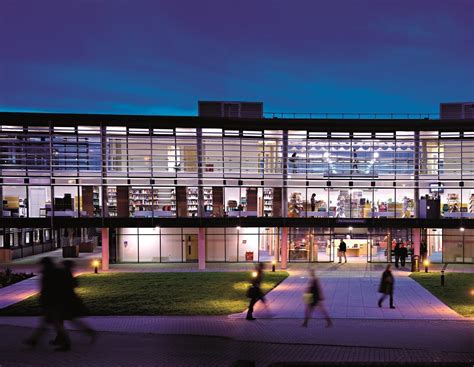
The next BLF Conference and Gathering will be held in Brighton, 6-8 September. Booking will open in May, but hold the dates!
Events in 2024
Watch this space for lime days and other events in 2024.
Become a member
Members of the Building Limes Forum form a community of lime enthusiasts and practitioners, most of whom are producers, suppliers, specifiers or users of lime.
Useful documents
Contact Building Limes Forum
Building Limes Forum
Riddle’s Court
322 Lawnmarket
Edinburgh, EH1 2PG, UK